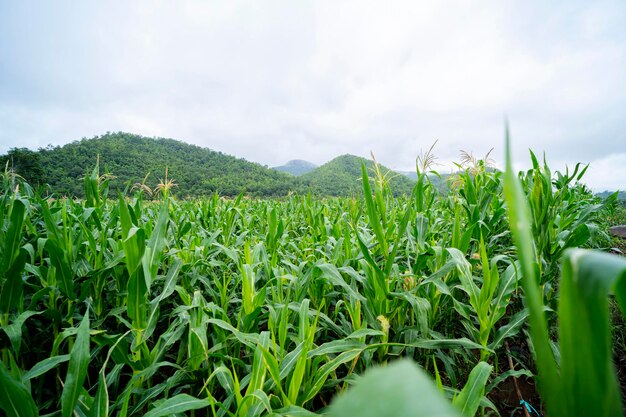
Gender Transformative Climate Smart Agriculture & Agri-business (CSAAB)
November 2019 April 2023 32,300,788.28 Agriculture 900 individuals 3600 individuals Oromia UN Women

November 2019 April 2023 32,300,788.28 Agriculture 900 individuals 3600 individuals Oromia UN Women
The Smallholder Apiculture Development: Bee Products Trade Promotion Programme was born out of more than a decade of experience in Meket Woreda, Amhara Regional State, in developing technologies and participatory…
The Gender and Pastoral Development Action Research Programme worked towards a better understanding of gender and manners in which to work with NGOs, government and partners to help communities make…
The Pastoral Livelihood Initiative Drought Cycle Management project was implemented in pastoral areas of both Oromia and Somali regional states in 2005.The project built the capacities of a consortium of…
The Borana Collaborative Forest Management Project (BCFMP) was one of the first Collaborative Forest Management activities which succeeded in putting the community at the centre of natural resource management. The…
Through the Community Initiative Promotion (CIP) Programe, SOS Sahel Ethiopia piloted and developed alternative development models on how best to work in parntership with multiple actors namely NGOs, community institutions,…
The Food Security Capacity Enhancement Programme built the capacity of decentralized government structures in order to respond effectively to local needs and to strengthen the ability of local communities to…
SOS Sahel Ethiopia began its first operation in Ethiopia in the Koisha district of the Southern Nations and Nationalities People's Region (SNNPR) in 1989. As part of the Koisha Smallholder…
The objective of this project is to advance the position of women in the pastoral communities of Borana through women-led development of natural resources-based products.The project addresses both the strategic…
A joint initiative by SOS Sahel Ethiopia and International Development Enterprise (IDE), the SLIP was launched in September 2006 and will be phasing out in 2011. The aim of the SLIP project…